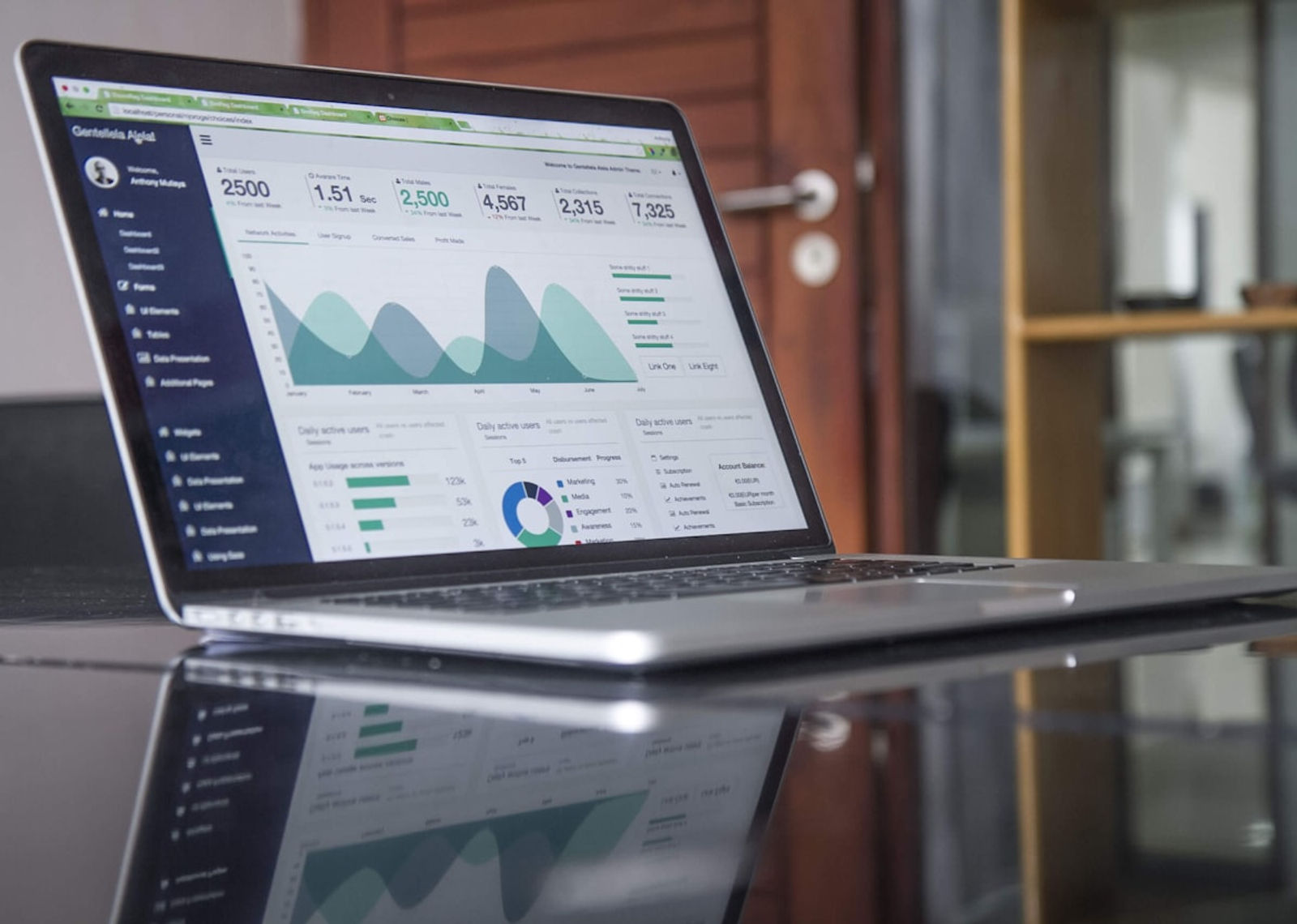
Dashboards, ETL, and BI to turn raw data into decisions.
Most software products collect more data than they use. Events are logged, transactions are recorded, user behavior is tracked — and then the data sits in a database, occasionally queried by engineers when there's a specific question, but not organized or surfaced in a way that makes it genuinely useful for the people making product and business decisions. The data exists, but it doesn't inform decisions, because accessing it requires technical skill that most decision-makers don't have and engineering time that's always competing with feature work.
The goal of analytics work is closing this gap: making data available to decision-makers in a form they can use without writing SQL queries or asking an engineer. This is more valuable than it sounds. Decisions made with data are better than decisions made without it, and the decisions that most benefit from data are made constantly — what features to build next, which marketing channels are working, where users are dropping off, which customers are at risk of churning. If the data needed to make these decisions is locked behind technical complexity, those decisions are made on instinct instead.
Good analytics work starts with understanding what data you have, where it lives, what quality it's in, and what questions you most need to answer. This is a discovery phase, and it consistently produces surprises: data that was assumed to be accurate turns out to have gaps or inconsistencies, data that exists in one system but not another creates integration work before analysis is possible, and the most important questions turn out to require data combinations that don't currently exist in any single place.
We map the data landscape before recommending an analytics architecture. The right approach depends on the volume of data, the complexity of the questions being asked, the technical sophistication of the people who will use the analytics, and the existing infrastructure. A startup with a single database and straightforward reporting needs has different requirements than a company with multiple systems, event streams, and a data team that needs self-service querying capability.
Most dashboards don't get used. They're built, demonstrated, and then either forgotten because they're too slow to load, too cluttered to interpret, or just not connected to the decisions that people actually make day-to-day. A dashboard that someone opens every morning because it tells them what they need to know to do their job well is valuable. A dashboard that someone opens once a week because it's impressive is not.
We design dashboards by understanding the decisions they need to support, not by asking what metrics you want to track. The question is: what do you need to know each day, each week, each month, to make good decisions? What would change your behavior if it moved significantly in one direction? What early warning signs are you currently missing? Building a dashboard around these questions produces something that's actually used, rather than something that technically contains all the data.
On the technical side, dashboards need to be fast. A dashboard that takes 30 seconds to load gets opened less often, and less often means the insights it contains influence fewer decisions. We design analytics queries for performance, use pre-aggregation where appropriate, and implement caching so dashboards load in seconds rather than tens of seconds.
ETL (Extract, Transform, Load) pipelines move data from operational systems to analytics systems, transforming it into a form suitable for analysis along the way. If your data lives in multiple systems — a transactional database, a CRM, an email platform, a payment processor — you need pipelines that bring it together before you can analyze it holistically.
We build pipelines that are reliable and observable. Reliable means they run on schedule, handle errors gracefully, and recover automatically from transient failures. Observable means when something goes wrong — a source system changes its schema, a network error causes a partial load — you know about it quickly and have enough information to diagnose and fix the problem. Silent data pipeline failures that cause incorrect analytics output are a particularly bad failure mode, because the incorrect data still looks like correct data and influences decisions accordingly.
For analytics at meaningful scale, a data warehouse — a database optimized for analytical queries rather than transactional operations — makes a significant difference. Operational databases are optimized for fast reads and writes of individual records. Analytical queries typically scan and aggregate large volumes of data, which is a different performance characteristic that specialized databases handle much better.
We design data warehouse schemas using dimensional modeling: fact tables containing quantitative measurements (transactions, events, orders) and dimension tables containing the attributes you analyze by (customers, products, dates, geographies). This structure makes analytical queries intuitive to write and fast to execute. We build on BigQuery, Snowflake, or Redshift depending on your existing infrastructure, volume requirements, and cost profile.
Some decisions benefit from real-time data rather than data that's one day or one hour old. If you're running a marketing campaign, knowing how it's performing in real time lets you adjust budget allocation and messaging during the campaign rather than waiting for the post-mortem. If you're monitoring product performance, real-time error rates and latency metrics let you respond to problems as they emerge.
Real-time analytics requires a different architecture than batch analytics: event streaming (Kafka, Kinesis, or similar), stream processing, and a database that can handle high-write throughput alongside analytical queries. We build real-time analytics systems where the business case justifies the additional complexity and cost, and recommend batch analytics with short refresh cycles where real-time is nice but not actually necessary for the decisions being made.
The most scalable analytics setup is one where the people who have questions can answer them directly, without needing to involve an engineer for every new analysis. Building for self-service means investing in good data modeling (so that the data is organized in a way that makes queries intuitive), good documentation (so that users know what's in the data warehouse and what it means), and appropriate tooling (BI tools like Metabase, Looker, or Tableau that allow non-technical users to build queries and visualizations).
Self-service analytics also requires training. The tooling alone doesn't produce good analysis — users need to understand the data model, know what questions are answerable, and develop confidence in using the tools. We provide training and documentation as part of analytics engagements, not as an optional add-on.
How do we start when our data is messy? Start small. Pick the one or two questions that would be most valuable to answer reliably, understand the data you need to answer them, clean that specific data, and build the analytics for those questions first. Expand from there. Trying to clean all the data before building anything means analytics never ships.
Do we need a data warehouse, or can we query the production database? For small data volumes and simple queries, querying the production database is fine. As data grows and queries become more complex, production database queries compete with application queries for resources and can cause performance problems. A separate analytics database — even a read replica — is the right move before this becomes a problem.
Tell us the three questions you most wish you could answer about your product or business. We'll evaluate what data exists to answer them and design a path to getting you reliable answers to those specific questions.
Most software products collect more data than they use. Events are logged, transactions are recorded, user behavior is tracked — and then the data sits in a database, occasionally queried by engineers when there's a specific question, but not organized or surfaced in a way that makes it genuinely useful for the people making product and b…
Good analytics work starts with understanding what data you have, where it lives, what quality it's in, and what questions you most need to answer.
Most dashboards don't get used. They're built, demonstrated, and then either forgotten because they're too slow to load, too cluttered to interpret, or just not connected to the decisions that people actually make day-to-day.
ETL (Extract, Transform, Load) pipelines move data from operational systems to analytics systems, transforming it into a form suitable for analysis along the way.
Dashboard development, ETL pipelines, Data warehouse setup, Real-time analytics, Custom reports.
Tell us about your project on our contact page and we'll respond with a clear scope, timeline, and estimate — no obligation.
Ready to get started?
Tell us about your project — we'll come back with a clear plan, not a sales pitch.
No fluff — just a real conversation about your project.