

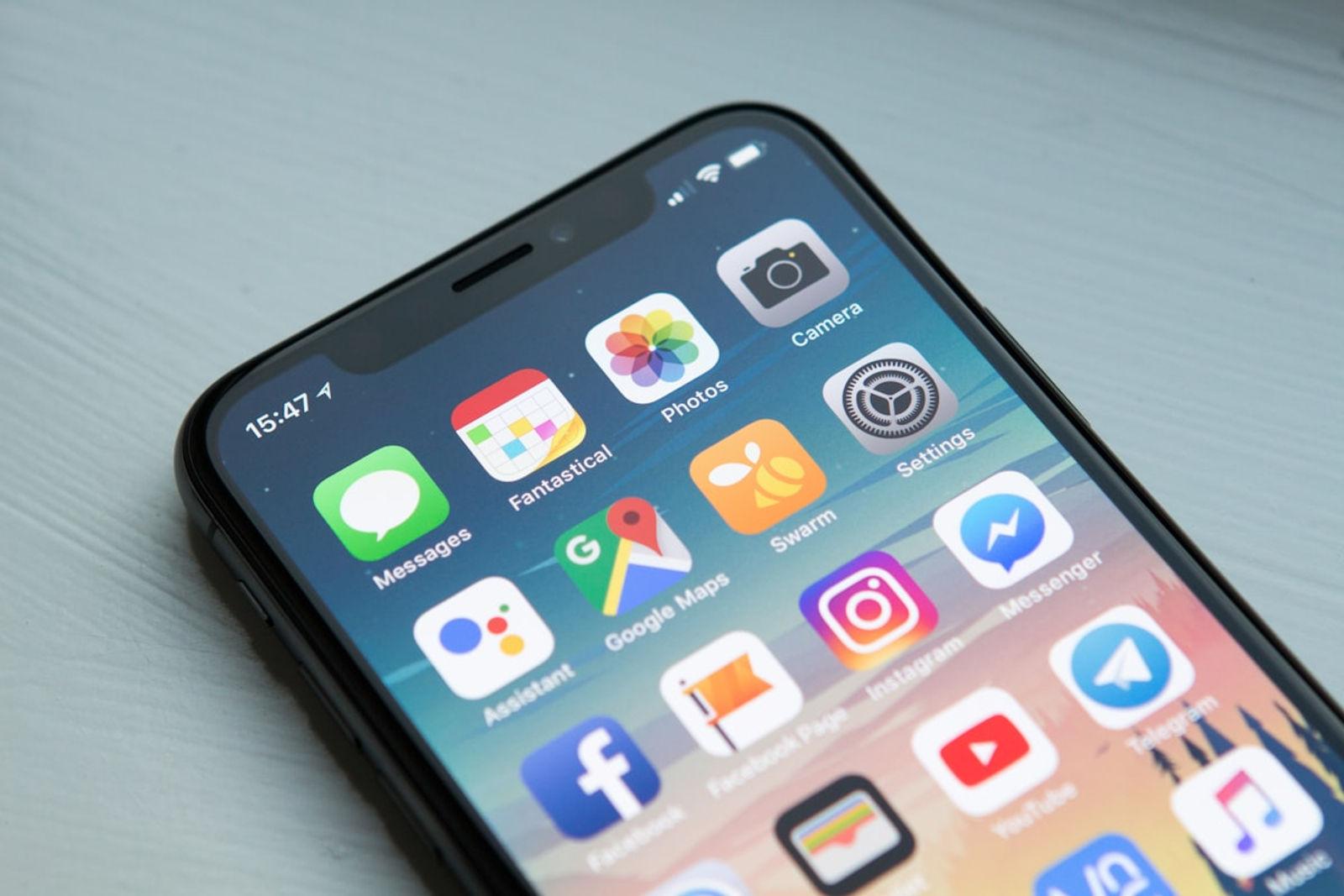
Most App Launches Fail — Here's Why
The average app launch goes like this: months of development, a day of excitement, and then near-silence. Downloads trickle in from friends and family, a few organic installs, and then the numbers plateau. The product is solid. The launch just wasn't planned well enough.
Launching an app is not the same as submitting it to the App Store or Play Store. That's the last 5% of the launch. The other 95% — the audience building, the positioning, the distribution channels, the first-user experience — happens before and after the submission button gets clicked.
Here's how to do it properly.
Phase 1: Pre-Launch (6–8 Weeks Before)
Define Your Target User Clearly
Not "small business owners" — too broad. "Freelance graphic designers in India who invoice clients manually and lose track of payments." The more specific you are, the easier every other decision becomes: where to reach them, what to say, what problem to lead with.
Build an Audience Before You Have a Product
This is the single most underused strategy in app launches. A waiting list, a social media account, a newsletter, a community on WhatsApp or Discord — built before launch — means you have real humans to notify on day one instead of hoping the algorithm finds you.
You don't need a big audience. 200 genuinely interested people who signed up for early access will give you more traction than 10,000 cold app store impressions.
Set Up Analytics Before Launch
Sounds obvious — but most founders add analytics after launch, when the first-day data is already lost. Set up Firebase Analytics, Mixpanel, or Amplitude before launch. Define the key events you want to track (sign up, first core action, day 7 retention). If you're not measuring it from day one, you won't know what's working.
Prepare App Store Optimization (ASO)
Your app store listing is a landing page. Treat it like one. Things that matter:
- App name and subtitle — include your main keyword naturally
- First two lines of description — shown before "read more" — make them count
- Screenshots — show the app in use, with short captions. Feature the most valuable screen first
- Preview video — apps with preview videos have higher conversion rates consistently
- Keywords field (iOS) — research relevant, lower-competition keywords; don't repeat your app name
Line Up Press and Community Coverage
Reach out to relevant publications, bloggers, and community moderators 2–3 weeks before launch. Tech blogs, niche forums, ProductHunt, relevant subreddits, LinkedIn groups. The outreach takes time — do it early so coverage lands on or around launch day, not two weeks after.
Phase 2: Launch Day
Coordinate the Release
Submit for App Store review at least 5–7 days before your planned launch date. Apple's review can take 24–72 hours (sometimes longer). Submit too late and your coordinated launch day becomes "the day after the app store approved us."
On the day itself, release across all channels at once — email list, social, community posts, press — rather than spreading them out. A concentrated burst of installs and engagement in the first 24–48 hours signals quality to the App Store algorithm and can earn you featured placement.
Launch on ProductHunt
ProductHunt is still one of the most effective free distribution channels for app launches, especially for productivity, SaaS, and developer tools. A well-prepared PH launch can drive thousands of visitors in a single day. The key is preparation: getting a hunter with followers, posting at midnight PST, and rallying your network to upvote early (not all at once — spread across the day).
Respond to Every Early Review
Your first reviews shape the perception of every future user. Respond to negative reviews with genuine help, not defensive replies. This signals to future users that you're an active, responsive developer — and the App Store surfaces apps with good review response rates more often.
Phase 3: Post-Launch (Weeks 2–8)
Watch Retention, Not Just Downloads
Day 1 retention (users who come back the next day) and Day 7 retention are the metrics that actually predict whether your app has legs. High downloads with low retention means your acquisition message is good but the product experience isn't. Low downloads with high retention means the product is good but you have a distribution problem. Both are solvable, but you need to know which one you have.
Interview Your First Users
Contact your first 20–30 users directly. Ask what brought them in, what they expected, what they actually did, and what almost made them delete the app. This is the most valuable data you'll collect in the first month — more useful than any dashboard metric.
Iterate Fast
The launch is not the end — it's the start of the feedback loop. Use what you learn from early users to prioritise fixes and improvements for version 1.1 and 1.2. Apps that ship fast updates in the weeks after launch consistently outperform those that go quiet.
How Long Does it Take to Launch an App?
A realistic timeline from idea to live app, assuming a focused scope:
- MVP / simple app: 8–14 weeks
- Medium complexity app (custom backend, multiple user roles): 16–24 weeks
- Complex app (real-time features, payments, third-party integrations): 6–12 months
These are development timelines. Add the 4–6 weeks of pre-launch preparation on top.
Need Help Building and Launching Your App?
At Dharmsy, we build mobile and web applications for startups and product companies — and we think about the launch from day one, not as an afterthought. If you have an app idea and want to go from concept to launch properly, get in touch. We'll tell you honestly what it will take and how quickly we can get you there.